
Owning a used car comes with its own set of responsibilities. Proper maintenance is key to ensuring your vehicle remains reliable, safe, and efficient. Here are the top twelve tips for maintaining your used car:
Buy your first reliable car here:
1. Regular Servicing
Regular servicing is one of the most crucial aspects of car maintenance. Follow the manufacturer’s service schedule, which typically includes oil changes, filter replacements, and checks on essential systems like brakes and suspension. Regular servicing can help identify potential issues early and keep your car running smoothly.
2. Check Tyre Condition and Pressure
Tyres are vital for safety and efficiency. Regularly check your tyre pressure, ensuring it matches the recommended levels in your car’s manual. Inspect the tyre tread for wear and tear; uneven wear might indicate alignment or suspension problems. Keeping your tyres in good condition not only improves safety but also enhances fuel efficiency.
3. Maintain Fluid Levels
Your car depends on various fluids to operate correctly, such as engine oil, coolant, brake fluid, and transmission fluid. Regularly check these levels and top them up as necessary. Also, pay attention to any leaks, as they can indicate underlying issues that need addressing.
4. Keep the Battery in Good Shape
A well-maintained battery is essential for your car’s reliability. Check the battery terminals for corrosion and ensure they are clean and firmly connected. If your battery is more than three years old, have it tested to ensure it holds a charge properly. If your car struggles to start or if you notice dimming lights, it might be time for a replacement.
5. Protect the Exterior and Interior
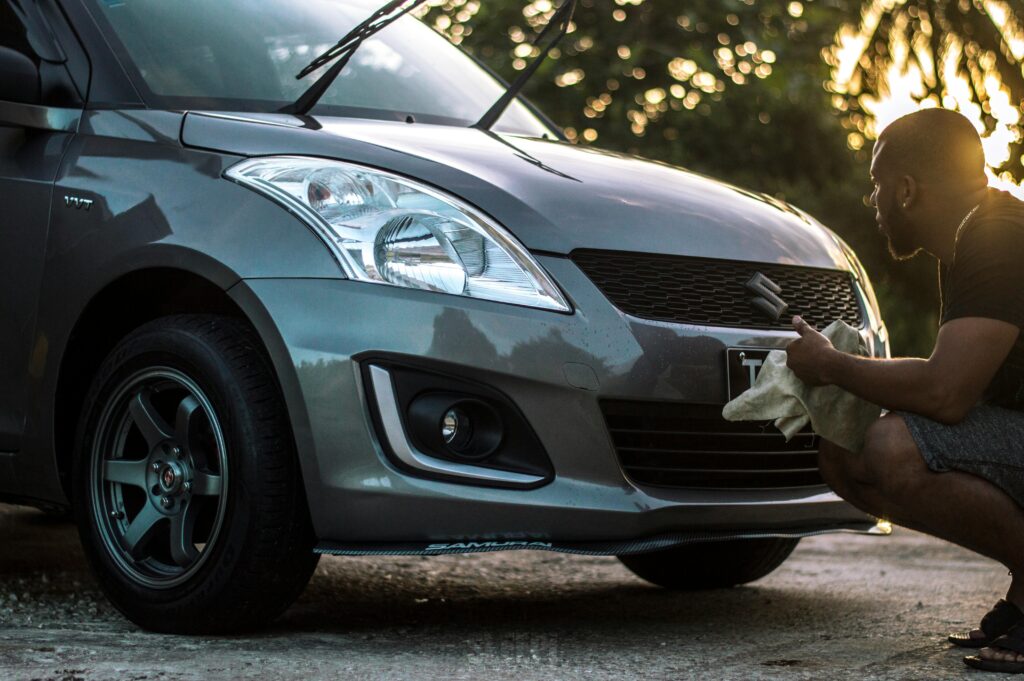
Keeping your car clean and protected can prolong its lifespan and maintain its value. Consistently wash and wax the exterior to shield the paint from environmental damage and preserve its appearance. Thoroughly clean the interior by vacuuming the carpets and upholstery, and apply protectants to the dashboard and other surfaces to safeguard against cracking and fading.
6. Inspect the Brakes
Your car’s braking system is critical for safety. Regularly check the brake pads and discs for wear. Listen for any unusual noises when braking, such as squealing or grinding, which could indicate worn-out brake pads. Ensure the brake fluid is at the correct level and replace it as recommended by the manufacturer.
7. Examine the Lights
Functional lights are essential for visibility and safety. Regularly inspect all lights, including headlights, brake lights, indicators, and interior lights, to ensure they are working properly. Replace any burnt-out bulbs immediately. Clean the light covers to maintain their brightness and visibility.
8. Monitor the Exhaust System
A healthy exhaust system is crucial for reducing emissions and ensuring your car runs efficiently. Check for any unusual noises, such as rattling or loud exhaust sounds, which could indicate a problem. Inspect the exhaust pipe for rust or damage and ensure it is securely attached.
9. Check the Belts and Hoses
Belts and hoses are essential components of your car’s engine. Inspect the serpentine belt, timing belt, and other belts for signs of wear, cracks, or fraying. Check the hoses for leaks, cracks, or bulges. Promptly replace any damaged belts or hoses to prevent breakdowns.
10. Maintain the Air Filter
A clean air filter ensures your engine receives the proper air flow, which is essential for efficient combustion. Regularly check the air filter and replace it as necessary. A dirty air filter can reduce fuel efficiency and negatively impact engine performance.
11. Ensure Proper Alignment and Suspension
Proper alignment and suspension are essential for a smooth and safe ride. If you notice your car pulling to one side, uneven tyre wear, or unusual vibrations, have the alignment and suspension checked. Regularly inspect the shock absorbers and struts for signs of wear and replace them if necessary.
12. Test the Heating and Cooling System
A functioning heating and cooling system is important for comfort and safety. Regularly monitor the coolant level and add more as needed. Ensure the radiator and heater hoses are in good condition and free from leaks. Test the air conditioning system and have it serviced if it’s not cooling effectively.
Final Thoughts
Maintaining a used car requires attention to detail and regular checks on various components. By staying on top of these additional maintenance tasks, you can ensure your car remains reliable, safe, and efficient. Regular inspections and timely repairs not only prevent breakdowns but also extend the life of your vehicle. Take care of your used car, and it will continue to serve you well on the road.